The Past, Present, and Future State of BIM in Tunnelling
By Vojtech Ernst Gall, Gall Zeidler Consultants, LLC
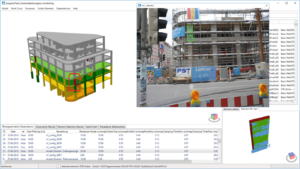
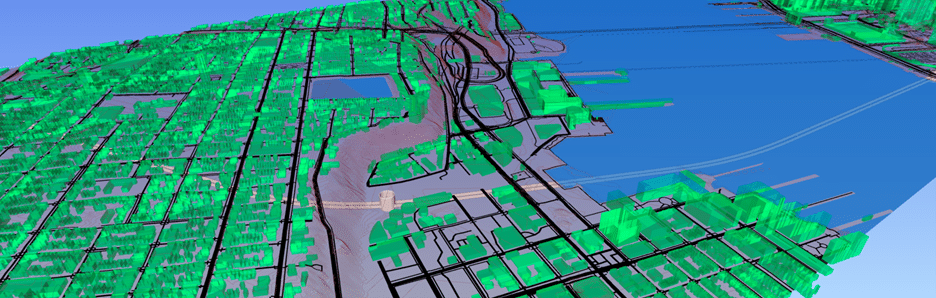
BIM is a powerful process that allows owners, engineers, and contractors to better collaborate and to improve the transparency of information shared between partners within a project. Nevertheless, BIM, more so than many other topics, has simultaneously become one of the most used and misunderstood buzzwords in underground construction. This is likely because of a divergence between the outward image of BIM and its inside workings. Non-BIM experts may be more familiar with seeing the products of a BIM process (i.e., 3D models or renderings) whereas BIM professionals are often more focused on the organization and information flow hierarchies (i.e., workflows) within a BIM project framework.
A divergence in opinion of “what BIM is” can already be found in the acronym itself. BIM among BIM professionals (at least in the United States) has almost exclusively become to be defined as “Building Information Modelling,” whereas non-BIM professionals often continue to use the term “Building Information Management.” This issue of definition is further complicated by the often-vague definitions of BIM provided by various national and international organizations. The International Standards Organization (ISO) 19650 series “Organization and digitization of information about buildings and civil engineering works, including building information modelling (BIM) — Information management using building information modelling,” which is commonly used in the tunneling industry, defines BIM as:
“The use of a shared digital representation of a built asset to facilitate design, construction and operation processes to form a reliable basis for decisions.”
The German Tunneling Committee (DAUB), in the much more tunneling-focused document “BIM in Tunnelling,” uses similarly vague language, describing BIM as:
“[A] collaborative method based on digital models for the design, implementation and operation of facilities over their entire life cycle.”
Both definitions make it difficult for non-BIM professionals to immediately understand what BIM is and, in particular, what BIM is in the tunneling and underground domain. Nevertheless, there is a certain necessity to this vagueness. BIM simultaneously describes an information management process, i.e., how information is created and shared within a project and who can access and modify information at which project stages, as well as the models (2D, 3D, or otherwise), their application, and software that are used to do so.
BIM is a powerful process that allows owners, engineers, and contractors to better collaborate and to improve the transparency of information shared between partners within a project. Nevertheless, BIM, more so than many other topics, has simultaneously become one of the most used and misunderstood buzzwords in underground construction. This is likely because of a divergence between the outward image of BIM and its inside workings. Non-BIM experts may be more familiar with seeing the products of a BIM process (i.e., 3D models or renderings) whereas BIM professionals are often more focused on the organization and information flow hierarchies (i.e., workflows) within a BIM project framework.
A divergence in opinion of “what BIM is” can already be found in the acronym itself. BIM among BIM professionals (at least in the United States) has almost exclusively become to be defined as “Building Information Modelling,” whereas non-BIM professionals often continue to use the term “Building Information Management.” This issue of definition is further complicated by the often-vague definitions of BIM provided by various national and international organizations. The International Standards Organization (ISO) 19650 series “Organization and digitization of information about buildings and civil engineering works, including building information modelling (BIM) — Information management using building information modelling,” which is commonly used in the tunneling industry, defines BIM as:
“The use of a shared digital representation of a built asset to facilitate design, construction and operation processes to form a reliable basis for decisions.”
The German Tunneling Committee (DAUB), in the much more tunneling-focused document “BIM in Tunnelling,” uses similarly vague language, describing BIM as:
“[A] collaborative method based on digital models for the design, implementation and operation of facilities over their entire life cycle.”
Both definitions make it difficult for non-BIM professionals to immediately understand what BIM is and, in particular, what BIM is in the tunneling and underground domain. Nevertheless, there is a certain necessity to this vagueness. BIM simultaneously describes an information management process, i.e., how information is created and shared within a project and who can access and modify information at which project stages, as well as the models (2D, 3D, or otherwise), their application, and software that are used to do so.
tunnelingonline.com