
On the afternoon of November 10th, the Center for Science , Technology and Young Talent Development (under the Central Youth Union) organized a seminar titled “Young Talents and Major National Projects – Mastering Technology and the Big Challenge for Young Scientists”.
Big problems
Speaking at the program, Dr. Trinh Minh Thai – Director of the Center for Science, Technology and Young Talent Development – emphasized that the demand for developing smart and green buildings is opening up many opportunities for young intellectuals to participate in research and apply science and technology to practice.
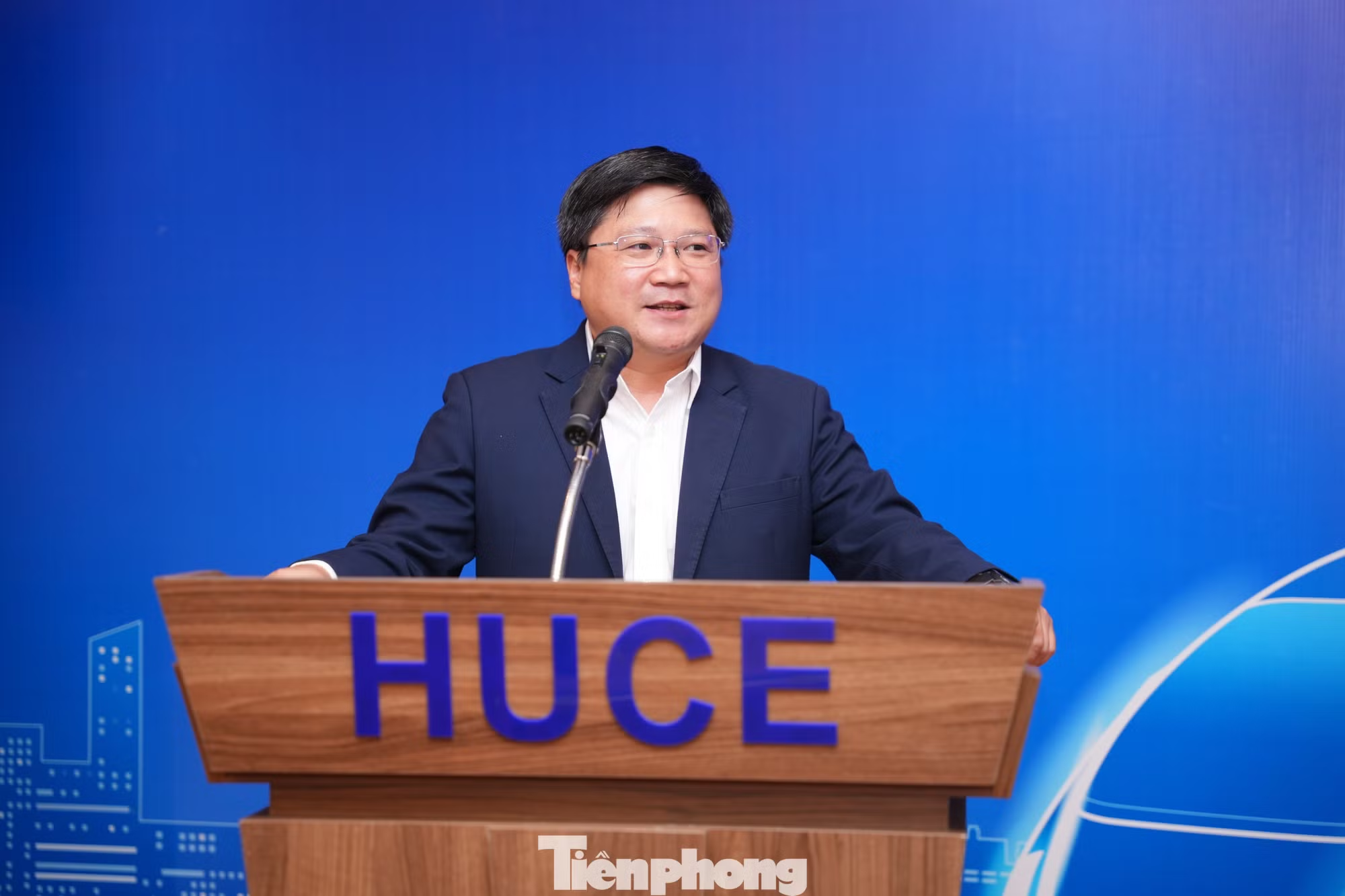
According to Dr. Trinh Minh Thai, a smart building requires construction engineers working with experts in data, automation, materials, environment, and management. A green building demands a combination of technology, economic efficiency, and social responsibility. This presents an opportunity for young scientists to participate in interdisciplinary teams and contribute through specific professional tasks.
Dr. Trinh Minh Thai also raised the question: From key projects and initiatives, what scientific and technical problems do we most need to solve? What are the areas that can be prioritized for domestic research and development to gradually improve technological self-reliance? At the same time, we need to find solutions to bring research ideas and results into practical projects through mechanisms of commissioning, testing, safety evaluation, and coordination between training institutions, businesses, and implementation units.
In order to participate in large-scale, demanding tasks, he believes that students and young scientists need to constantly upgrade themselves.
“Besides professional expertise, you need to equip yourselves with systems thinking, interdisciplinary work skills, experimental abilities, and a commitment to professional standards. Especially important is the spirit of taking full responsibility for your work,” said Dr. Trinh Minh Thai.
Speaking at the seminar, Associate Professor Dr. Nguyen Ngoc Tan – Director of the Center for Construction Testing and Inspection, Hanoi University of Civil Engineering, said that Vietnam is currently and will be implementing many large-scale infrastructure projects such as nuclear power plants, high-speed railways, and urban center projects in Hanoi, Ho Chi Minh City, and many other provinces and cities. This presents opportunities but also poses new demands on young engineers and scientists in the country.
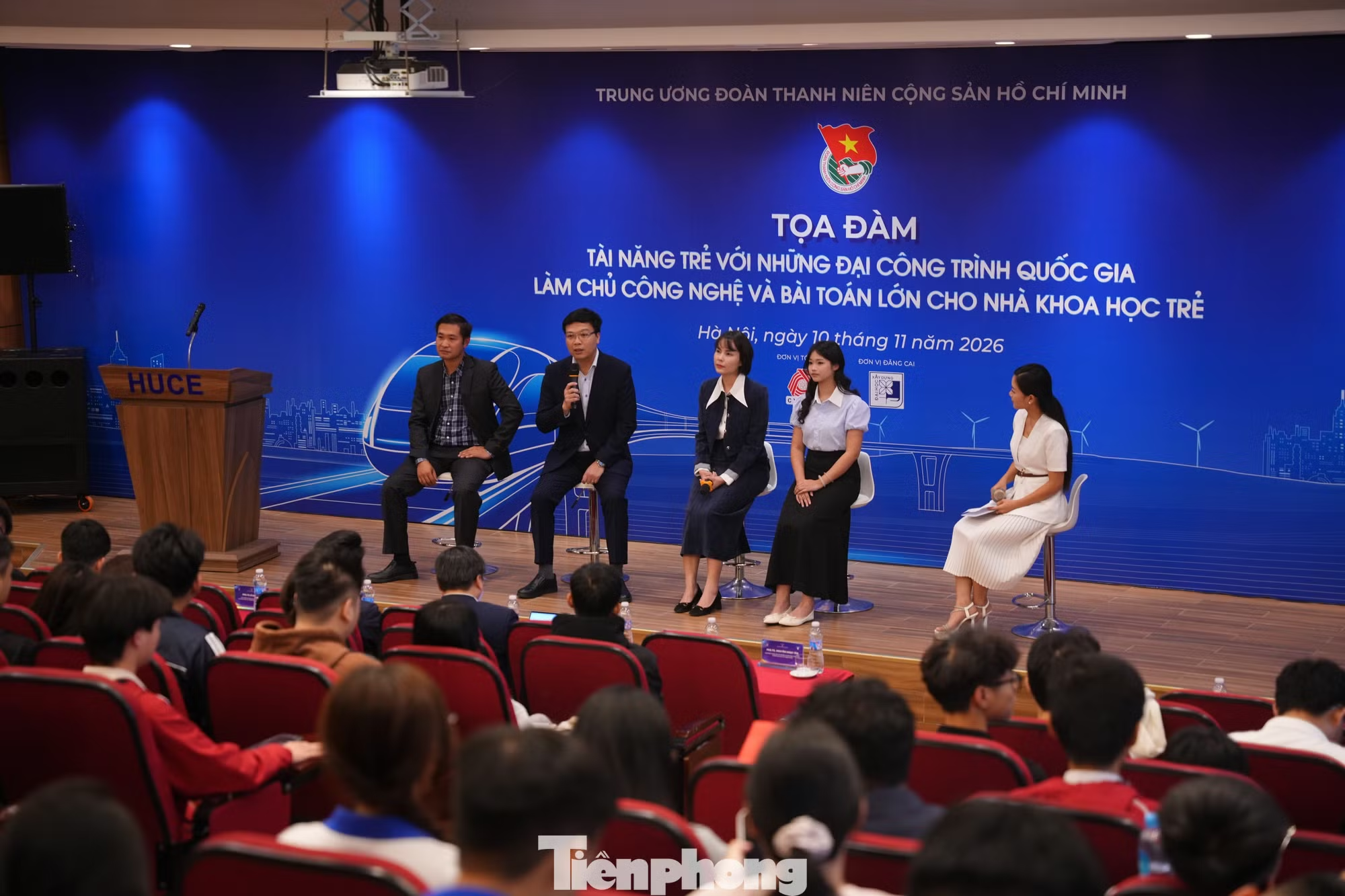
Accordingly, the first requirement is the capacity to receive and master new technologies. Young engineers and scientists need to proactively learn, absorb, and master modern construction technologies that are unprecedented in Vietnam. “To meet this need, Hanoi University of Civil Engineering, along with other technical universities, is expanding its training programs in nuclear power, high-speed rail, and other new fields,” said Associate Professor Dr. Nguyen Ngoc Tan.
In addition, the engineering team needs to improve its capacity to apply digital technology and AI . Another important requirement is to strengthen research and development capabilities for new materials and new construction technologies. Through this, we can gradually master core technologies, aiming for technological self-reliance and reducing dependence on technology transfer from abroad.
Persistently pursue your ideas.
Sharing his thoughts at the program, Associate Professor Dr. Dinh Viet Cuong from Hanoi University of Civil Engineering, recipient of the 2026 Golden Globe Award, stated that the value of a research project lies not only in its scientific content but, more importantly, in its ability to solve practical problems and create value for society.
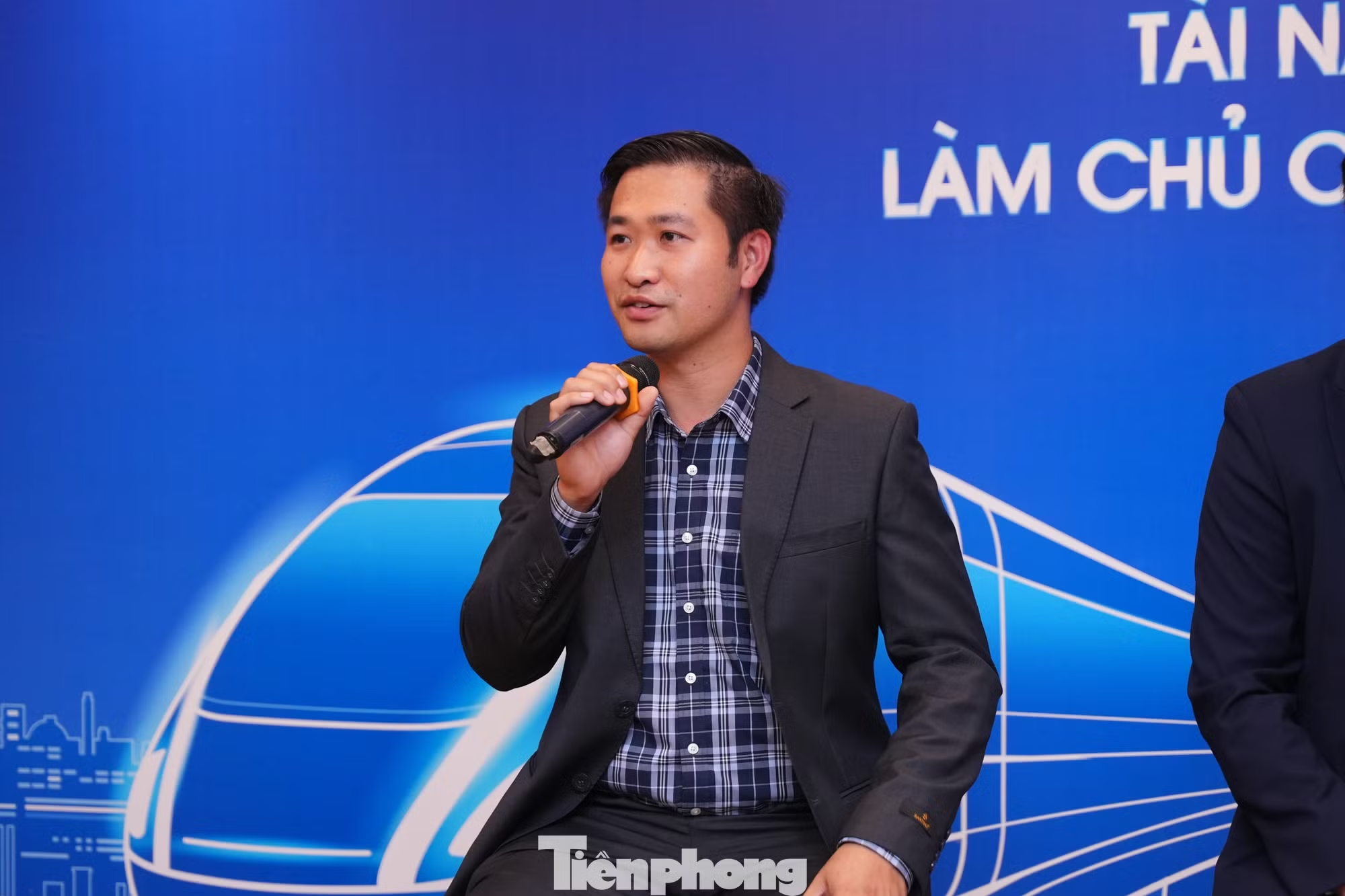
According to Associate Professor Dr. Dinh Viet Cuong, to develop high-quality research ideas, it is first necessary to grasp the topicality of issues of social concern, from high-speed rail development and AI to environmental protection. Correctly identifying challenges and practical needs will help scientists choose appropriate research directions that are applicable and have the potential to create a positive impact.
However, having a good idea is only the beginning. To turn an idea into research results, young scientists need willpower, determination, and perseverance to pursue their goals to the end. “The research process can last many years, with numerous failed experiments. Therefore, scientists need to know how to balance their emotions, maintain their spirits, and continue to explore, adjust, and develop their research direction,” he said.
Besides individual efforts, Professor Dinh Viet Cuong also emphasized the importance of building a supportive team, finding suitable collaborators, and proactively connecting with supporting resources, especially financial resources. These are crucial factors that help young people realize their ideas, sustain research activities, and gradually bring scientific results into life.
Bridging the “gap” between scientists and businesses.
Ms. Vu Thi Hanh, M.A. – Head of Technology – Engineering – Lab, Viettel Academy, Viettel Group, Golden Globe Award 2026, shared practical insights into the journey of bringing AI technology solutions from the laboratory into business life.
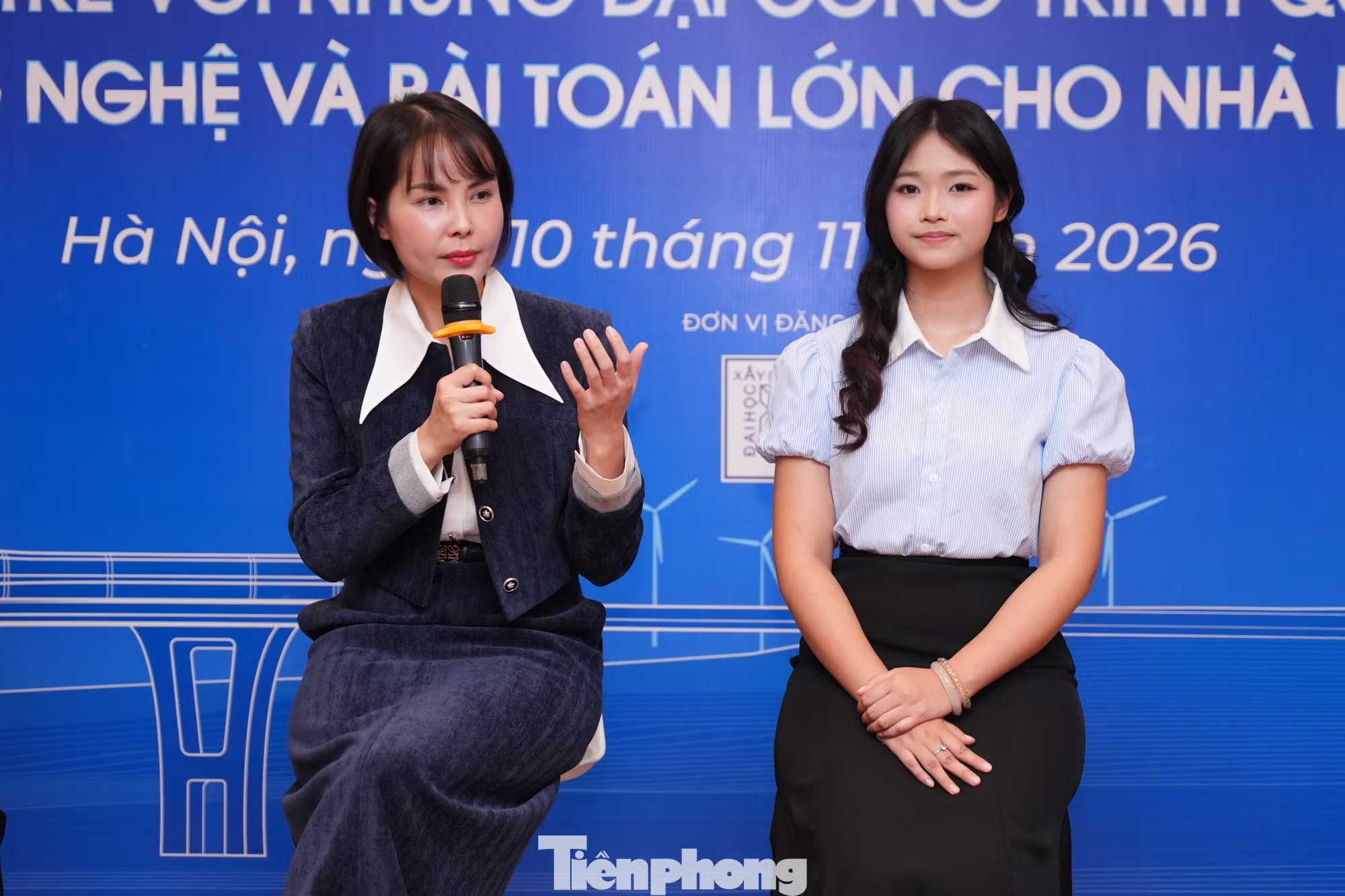
She stated that at Viettel Group, funding from the scientific research fund is always prioritized for projects that directly address practical problems.
“For businesses, the chosen AI solution doesn’t necessarily have to be the most modern or advanced technology on the market. The core and most decisive factor is that the technology must solve the specific real-world problem or ‘pain point’ that the business, locality, or country is facing,” said Ms. Vu Thi Hanh, M.A.
Ms. Hanh pointed out two key metrics for businesses to “partner” with scientists: the practical problem itself and clear evidence of effective outcomes. To bridge the gap between scientists and businesses, Ms. Hanh believes that collaborative models need to be implemented systematically from the outset.
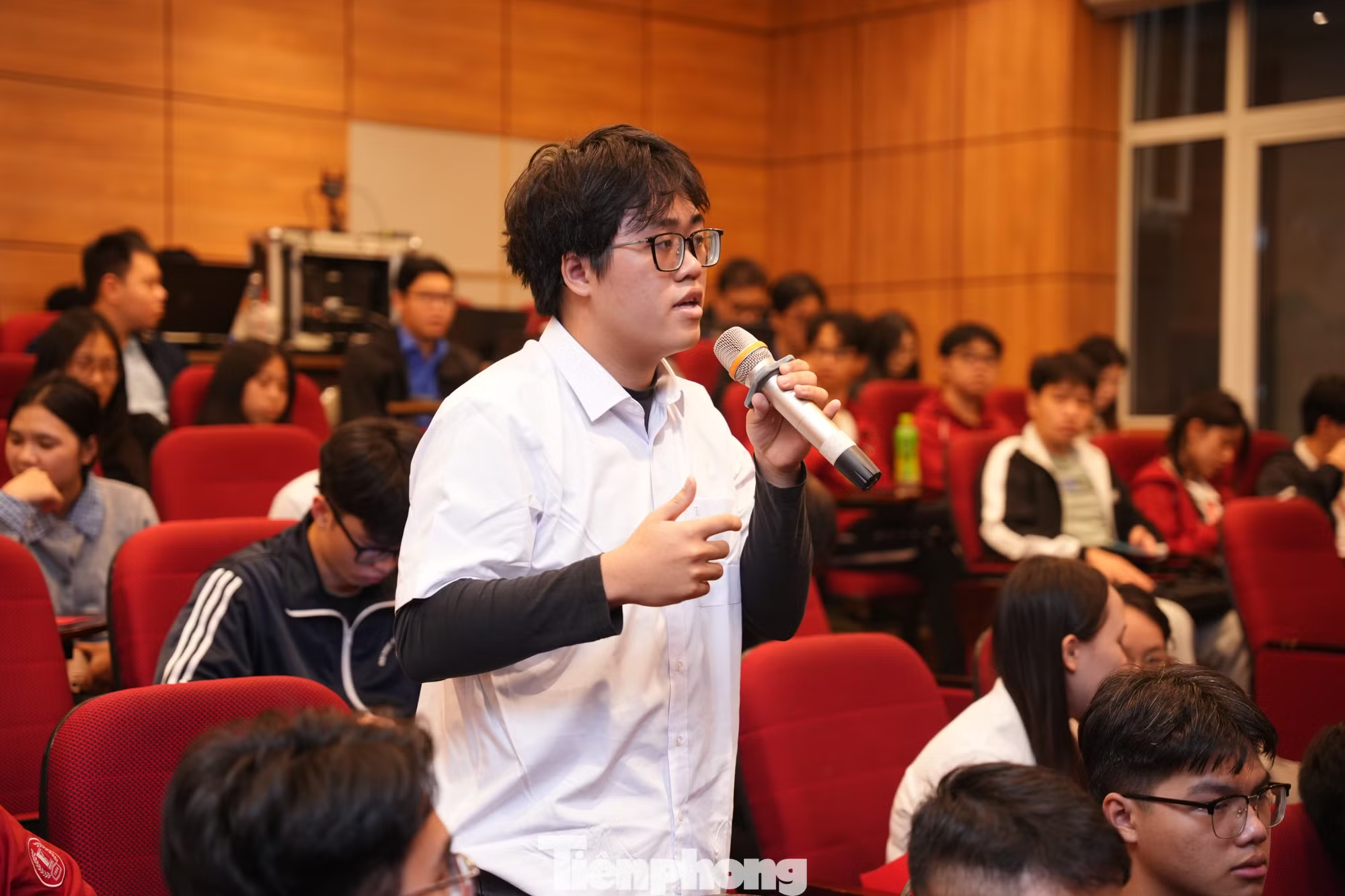
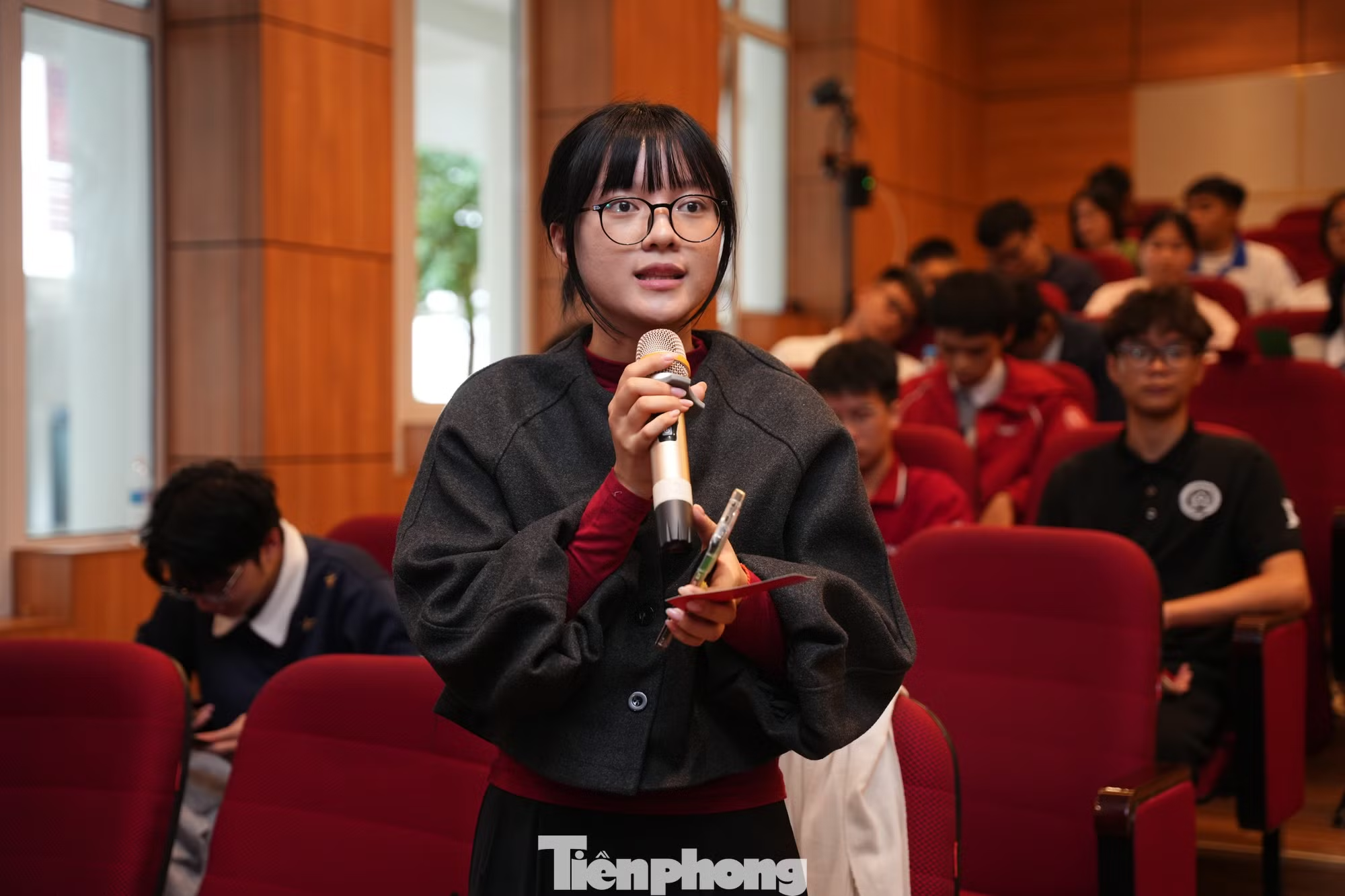
Businesses should act as the starting point, presenting real-world problems. Based on that, businesses should collaborate closely with universities, research institutes, lecturers, and students to gradually develop solutions.
Once the solution has been developed and proven effective, the parties will jointly seek a suitable mechanism to commercialize the product, and at the same time, promote its large-scale deployment and application in practice.
Drawing from her practical experience as an engineer who simultaneously handles daily professional work and participates in the development of applied research projects at Viettel, Ms. Vu Thi Hanh, M.A., affirms that the corporate environment is the ideal place for young researchers to find the most suitable technologies to solve major national problems. This environment not only helps young people access substantial investment resources but also opens up opportunities to hone their skills, professional abilities, and realize their passion for scientific research within the company.

